Make the biga the night before you need your pane Toscano. Start by measuring out the yeast and sugar, and then adding the warm water. The water should be within 10° of 110℉. Allow the yeast to bloom until there is foam on the surface of the water.
½ tsp yeast, 1 pinch sugar, 1⅓ cup warm water
Add the flour and use the Danish dough whisk to give it a mix. It doesn't need to be pretty. The biga will be shaggy and dry when it is ready to proof. Cover the bowl and store in a warm place overnight. The biga should've tripled in size.
2⅔ cup higher protein flour
The day of baking, allow the yeast and sugar to bloom in warm water. When you are sure the yeast is active, add the biga and remaining flour. Use the Danish dough whisk to mix as much as possible. When mixing becomes impossible, turn the dough out onto a counter and knead for 15 minutes. This dough is tough, so be sure to take a break and allow the dough to rest for a few minutes in the middle!
2½ tsp yeast, 1 pinch sugar, 2⅔ cup warm water, 7½ cup higher protein flour
Divide the dough in two, shape, and place in separate mixing bowls. Lightly cover the tops of the dough with oil to prevent drying, then cover the bowls. Store in a warm place for about an hour. The dough will double in size.
olive oil
Gently turn one dough ball out on a counter, and shape the dough gently. You don't want to punch down too much air. When you are pleased with the dough balls' shapes, place them on their baking sheets. Cover the tops of the dough with olive oil, cover the loaves, and store them in a warm place for another hour. The dough should rise some more.
olive oil
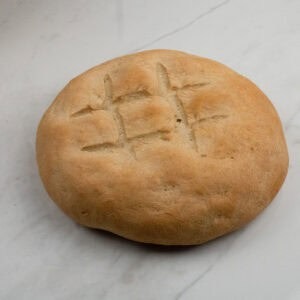
Use a lame to score the top of your bread. We did a traditional tic-tac-toe shape, but you can get creative here!
Bake at 400℉ for 45 minutes. If your oven has hot spots, turn the loaves halfway through baking to ensure even browning. Bake until the top of the loaves are golden brown. They should sound hollow when knocked upon.